
It is much easier to keep food away from a wild bear in the first place than it is to teach who has already been rewarded with human food/waste to stop accessing that easy, high calorie source.
The first rule of BearSmartness is to not attract bears to areas frequented by humans.
Securing attractants is the single best way to keep people safe, prevent property damage, and avoid the unnecessary killing of bears that come into conflict with people.
Bottom line: Garbage, birdseed and pet food etc. attracts bears to your property making it more likely for the bear to break into your home creating a safety risk for your family and a death sentence for the bear.
Follow these simple guidelines and you will greatly reduce the chance of attracting bears and encouraging conflicts.
Dispose of Garbage Properly
- Never store garbage outside unless it is in a bear-proof container.
- Never leave garbage on your balcony or porch, even if it is screened. Bears are good climbers and can easily break into porches, garages and even unsecured homes.
- If you have curbside pick-up, do not put garbage out until one or two hours before the truck arrives. Use containers with locking lids.
- Do not let garbage pile up or develop strong odours that can attract bears. Minimize odours by storing garbage in tightly closed plastic trash bags or garbage cans.
- Stash food scraps, especially meat, fish, bones and fruit by-products in the freezer or in an airtight container until you can dispose of them properly. Even “dry” trash (like empty cereal boxes) has an odour, so be careful how you store it.
- Do not discard cooking grease in your yard. Collect it in a glass, plastic or metal container with a lid. When ready to dispose of it, transfer it to a plastic bag, seal the bag tightly and place in trash.
- Lobby your municipal government for a bear-proof waste management system with handy 24-hour drop-off.
Bird feeders
- Ideally, you should avoid using any type of birdfeeder during bear season. (Check with your local wildlife office to learn when bears are active in your area.) Not only do birds have access to plenty of natural foods during this time, but birdfeeders often spread salmonella and other diseases. And they readily attract hungry bears.
- Store birdseed securely indoors at all times.
- As an alternative to hummingbird feeders, plant red or pink native flowers which are known to attract hummingbirds.
- Bird baths are a great alternative that will attract birds to your yard without luring bears into trouble.
- If you intend on feeding birds, hang your feeder well out of reach of bears and bear-proof your bird feeder. Or, if your feeder is hung on a cable between two trees, affix a plastic shower rod cover over the wire so that the bear can not grab hold; but don’t forget to keep the area under the feeder clean. The easiest solution is to install this complete Birds Only Bird Feeder System – see how it works and purchase at www.wisconsinblackbears.com.
- Choose quality birdseed without millet. Almost all bird seed found under feeders is millet, which most birds toss out of the feeder because they don’t like it. You can also switch to chips of sunflower seeds which will attract birds but leave nothing under the feeder.
Landscaping
Fruit and nut-bearing landscaping species
- Choose non-fruit and non nut-bearing trees and shrubs whenever possible.
- Remove plants and shrubs that bears like to eat (berry bushes, fruit and nut trees) from high foot traffic areas e.g., entrance/doorways, walkways, children’s play sets. Replace them with ornamental, non fruit-bearing varieties.
- Should you choose to plant fruit or nut-bearing trees, consider dwarf species that are more manageable to harvest.
- To reduce fruit production to a more manageable amount, consider spraying off some of the blossoms in the springtime. Removing the blossom will prevent fruit production and allow for a more controllable harvest.
- Fruit should be harvested as it ripens, if not before ripening; fruit can ripen indoors.
- Windfall must be removed immediately from below the tree. Rotting fruit becomes highly odourous, attracting bears and multiple other wildlife species, including wasps which can make gathering the fruit a difficult task.
- If you are unable to pick the fruit yourself, ask a friend or neighbour to help, or call your local Bear Smart organization and ask about their “picking” program. Social media platforms often have neighbourhood fruit exchange programs.
- Electric fencing can be effectively used to deter bears from orchards and gardens. The temporary fencing is used to protect the fruit as it ripens and can be removed once harvesting is complete.
- Prune fruit and nut trees over the winter, while they are dormant, to ensure the tree size is manageable for future harvesting.
Yards and Green Spaces
- Keep lawns mowed and weeded. Grasses, dandelions and clover are natural bear foods.
- As with fruit and nut trees, remove native and non-native plants that bears eat, especially in or near high-human use areas e.g., entrance/doorways, walkways, and children’s playsets and playgrounds.
- Improve sightlines by trimming or removing brush that is close to homes or along walkways. Bears, and other wildlife species, prefer areas of cover where they are less exposed and can retreat to. Typically, wildlife is reluctant to cross wide open spaces.
- Download the Professional’s Guide to Wildlife Smart Landscaping.
- Download the District of Squamish Wildlife Friendly Landscaping Brochure.
Note: plant species may vary regionally, but the basic principles remain the same. Check with a local horticulturist for plants that are native to your area.
Porches, Windows and Other Entrance-ways
- Keep doors and windows closed and locked. Food smells can lure hungry bears inside your home.
- Replace lever-style handles with a round door knob and knob collar/protector as well as a dead bolt.
- Do not store food of any kind outside, even if it is inside a locked refrigerator or freezer.
- Rural or unoccupied homes are susceptible to break-ins. Try installing extra security, tight-fitting doors and windows, electric fencing or a bear-resistant mat in front of any accessible door and windows.
- Block potential denning sites like crawl spaces under decks and buildings.
Vehicles
Barbeques
- Burn your barbeque clean and wash immediately after use, removing all grease and food residues.
- Remove and dispose of the grease in the drip can or grease tray every time you use your barbeque. Clean it thoroughly before returning it to the barbeque or store it securely indoors.
- Lava rocks trap grease and should be replaced with ceramic bricks that are easier to clean.
- Store your barbeque indoors when not in use (but please remember not to store your propane tank inside, as it is a fire hazard).
- “Smoker” grills require even more precautions to keep the odours down.
- Be watchful at barbeques – the smell from cooking can attract bears from long distances. Don’t leave any food unattended outside. As soon as you are finished eating, bring all dishes, containers, utensils and uneaten food inside the house. Promptly and properly discard of all cans, used paper plates, cups, disposable containers and napkins.
Gardens
- Vegetable gardens, especially those containing potatoes and root vegetables such as carrots and beets, attract bears. Flower gardens are not as attractive to bears as long as they don’t contain sweet vetch, dandelions and clover.
- Harvest garden vegetables as they ripen.
- Consider a permanent electric fence to keep animals out of your garden.
- Never use blood meal, fish fertilizer or deer repellent in any garden.
- Download our brochure: Wildlife-friendly Landscaping: Resident’s Guide. Professional’s Guide. Note: plant species may vary from one area to another, but the basic principles remain the same. Check with a local horticulturist for plants that are native to your area. Download Whistler’s bear food plant list.
Pet food
- Feed your pets inside and store their food indoors. Don’t leave dog bones lying around your yard.
- A well-trained dog can help deter bears from entering a yard, or at least be effective at warning you if a bear is nearby. However, aggressive dogs may create conflict situations and may be injured or killed by bears as they defend themselves.
- Keep cats and other small pets (rabbits, guinea pigs) indoors when unsupervised, especially at night, when predatory animals (coyotes, cougars and bears) can more easily prey on them.
Citronella, Hot Tub Covers, Petroleum Products
It’s likely that the smell of the vinyl material is what attracts the bear’s attention. Vinyl and other plastics give off numerous volatile compounds for quite a long period, similar to the “new car” smell if you’re lucky enough to buy new cars. For some reason, a wide array of petroleum-based smells, like lantern and propane stove fuel, attract bears. In fact, the additive put in natural gas to make it a noticeable odor has been used to successfully lure in bears during bait-trapping operations. – Colorado Division of Wildlife black bear researcher Tom Beck
- Citronella products contain a compound that is very attractive to bears, so it’s best not to burn citronella candles or use any citronella-based bug sprays.
- Surprisingly, bears have been known to take bites out of hot tub covers. You see, insulation made with formaldehyde gives off formic acid as it breaks down. Bears are naturally drawn to the smell of formic acid from ant colonies and will bite into the insulation in refrigerators, hot tub covers, bicycle or snowmobile seats, etc. looking for ants. To prevent this, (1) use alternative products (like aluminum hot tub covers); or (2) sprinkle your hot tub cover or other attractive object with garden lime or any alkali and then place a tarpaulin cover over it (the formic acid that is released is then counteracted by the lime (CaCO3) to give harmless calcium formate + CO2).
- Bears are also attracted to all petroleum products, like gas, oil and grease. These products should always be stored securely where bears can not access them (follow proper storage guidelines as these products may be a fire risk).
Compost
- Use a bear-proof composter.
- Keep your compost clean and odour free. Use equal amounts of brown and green matter. Keep compost aerated and properly turned.
- Never compost meat, fish, oil, grease or dairy products.
- Sprinkle your compost with lime to aid in decomposition and reduce odour. Bury kitchen waste and cover with dry leaves or dried grass clippings.
- Locate compost well away from the forest edge, thickets and natural pathways used by bears.
- Start a community compost at your local electric-fenced landfill.
- Try indoor vermicomposting!
- Download a brochure. Watch a video.
Backyard Chickens
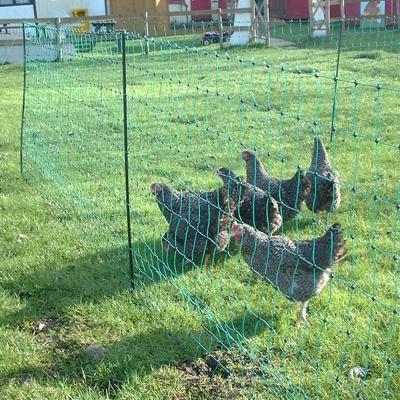 Chickens must be kept in a solid coop so that the birds can be locked in at night. It must be secure against all predators; coyotes, cats, dogs, foxes, skunks, raccoons, owls, hawks, rats (eat eggs and chicks), minks and weasels eat chickens too and are efficient nocturnal hunters. Many predators can climb extremely well and some can squeeze into very small spaces.
- A run, where the birds can get fresh air and scratch around, can be enclosed with electric netting (as pictured right). It’s best to cover it as well to protect against eagles, hawks and owls. Or you can try draping several strands of surveyors ribbon over the run to protect chickens from predatory birds (the ribbon acts as a deterrent when it blows in the wind).
- The coop and run must have electric fencing around them to protect the birds from bears. Watch this video of a bear getting into an unsecure chicken coop. Remove any large climbable trees/branches adjacent to the chicken coop or run: or place the coop and run away from trees. Ensure there are no gaps under the fence where predators can get underneath. While it may seem counterintuitive, it’s a good idea to train bears to avoid your electric fence after it’s installed. Apply a smell to the electric fence to attract the bear’s nose. This can be done by putting food grease on a sponge and keeping a fresh coat on the wires. Bears, when they encounter a new smell will test it with their tongues transfering the smell to their vomeronasal organ papilla behind their incisors. Once they are zapped they will have little interest in what is being protected. Otherwise bears are like sheep and their dense fur can insulate them from being shocked by an electric fence.
- You can probably let your chickens free-range when you are home and if you have a good guardian dog(s); but be extra careful if you have active coyotes and bears in the area.
- Store feed securely indoors and in a separate location from the birds. It is often the mishandling of the grain, mash and other livestock feed that initially attracts bears (and rats, for that matter).
Salt and Mineral Blocks
- Don’t put out salt and mineral blocks as they may attract unwanted wildlife to your yard. Your intent might be to draw deer, elk and moose, but bears and cougars may also be attracted to your property.